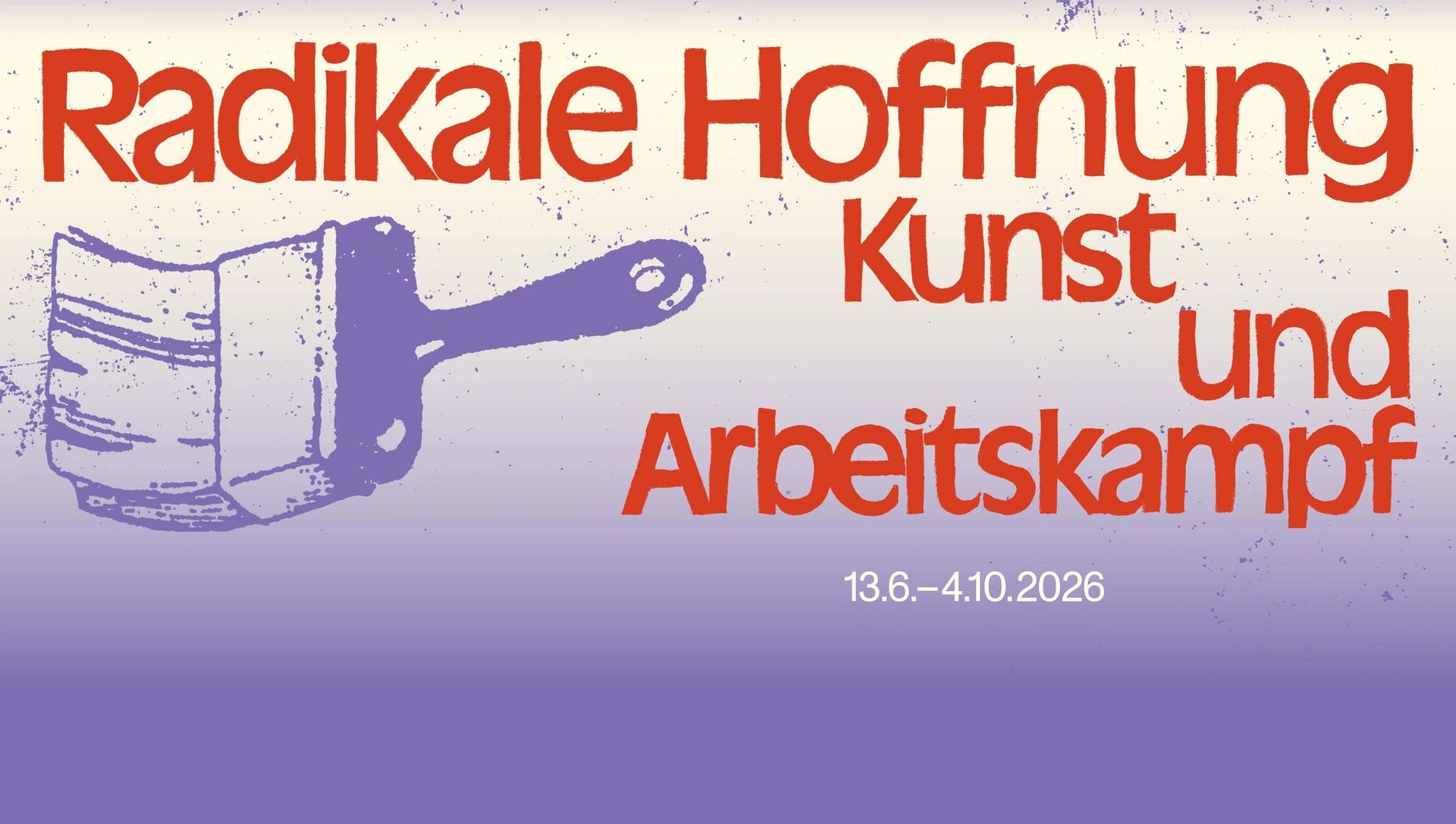
Radical Hope. Art and Worker Resistance
The exhibition is curated by Julia Höner (Kunstmuseum Gelsenkirchen) and Friederike Sigler (Professor of Contemporary Art, University of Vienna).
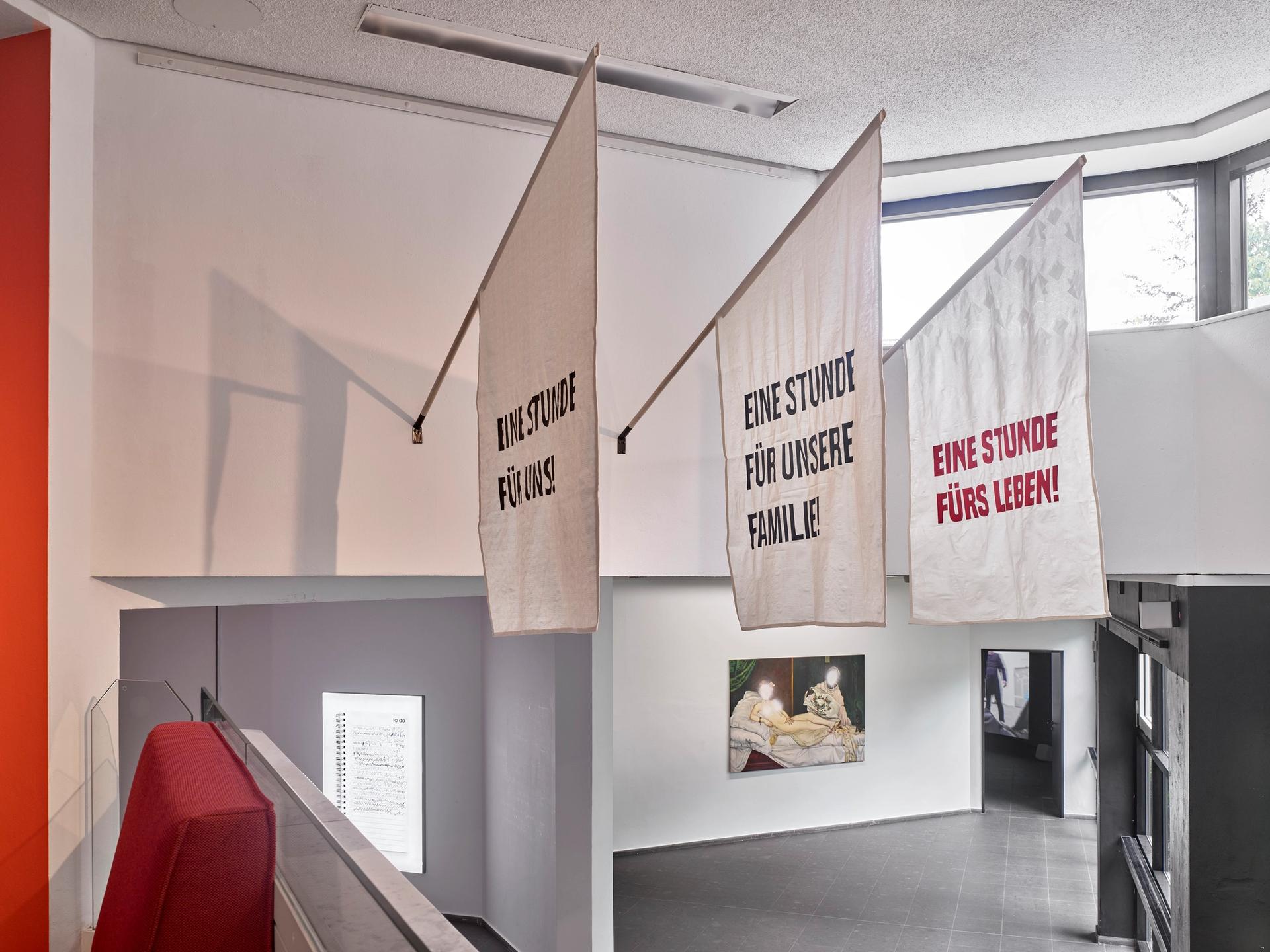
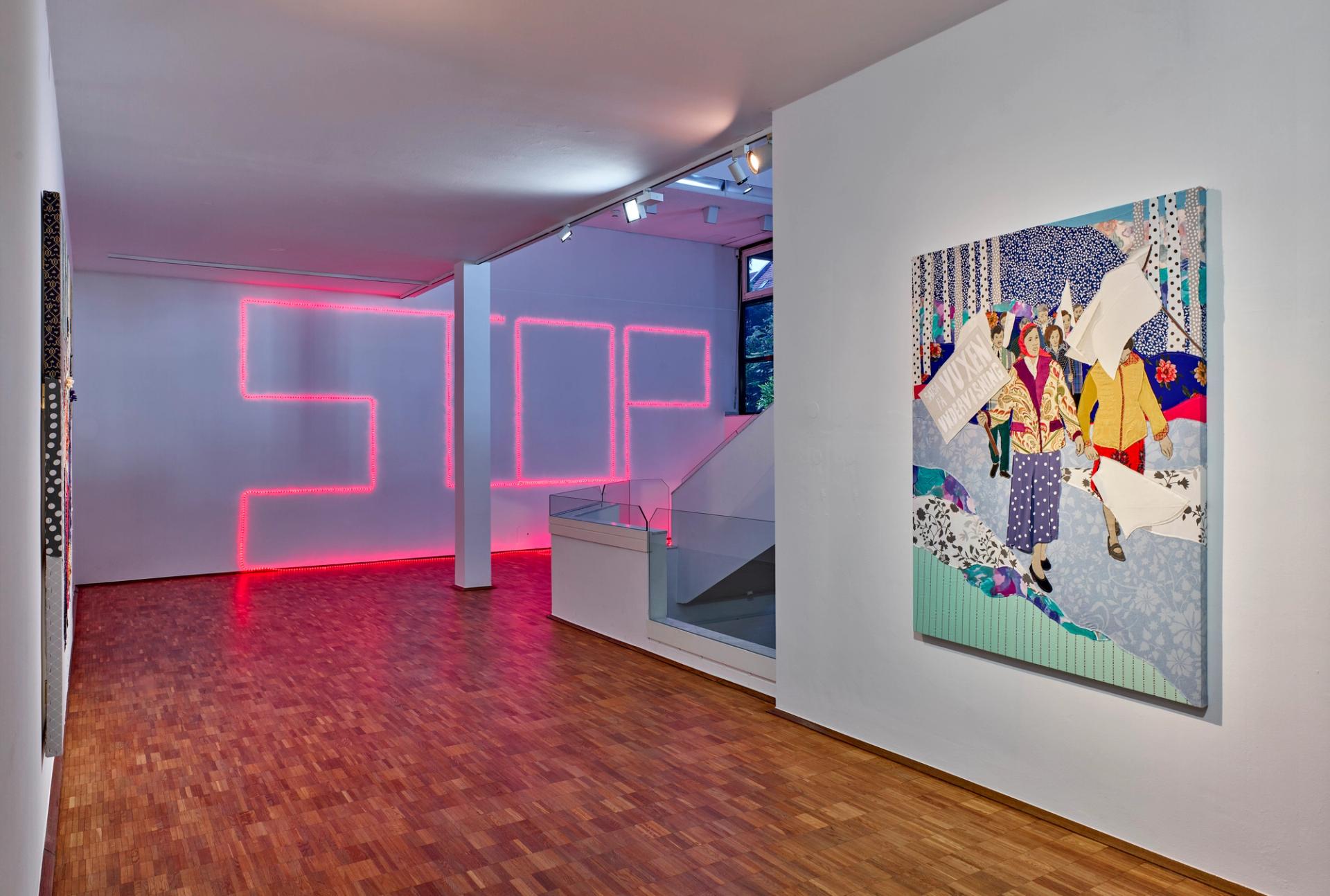
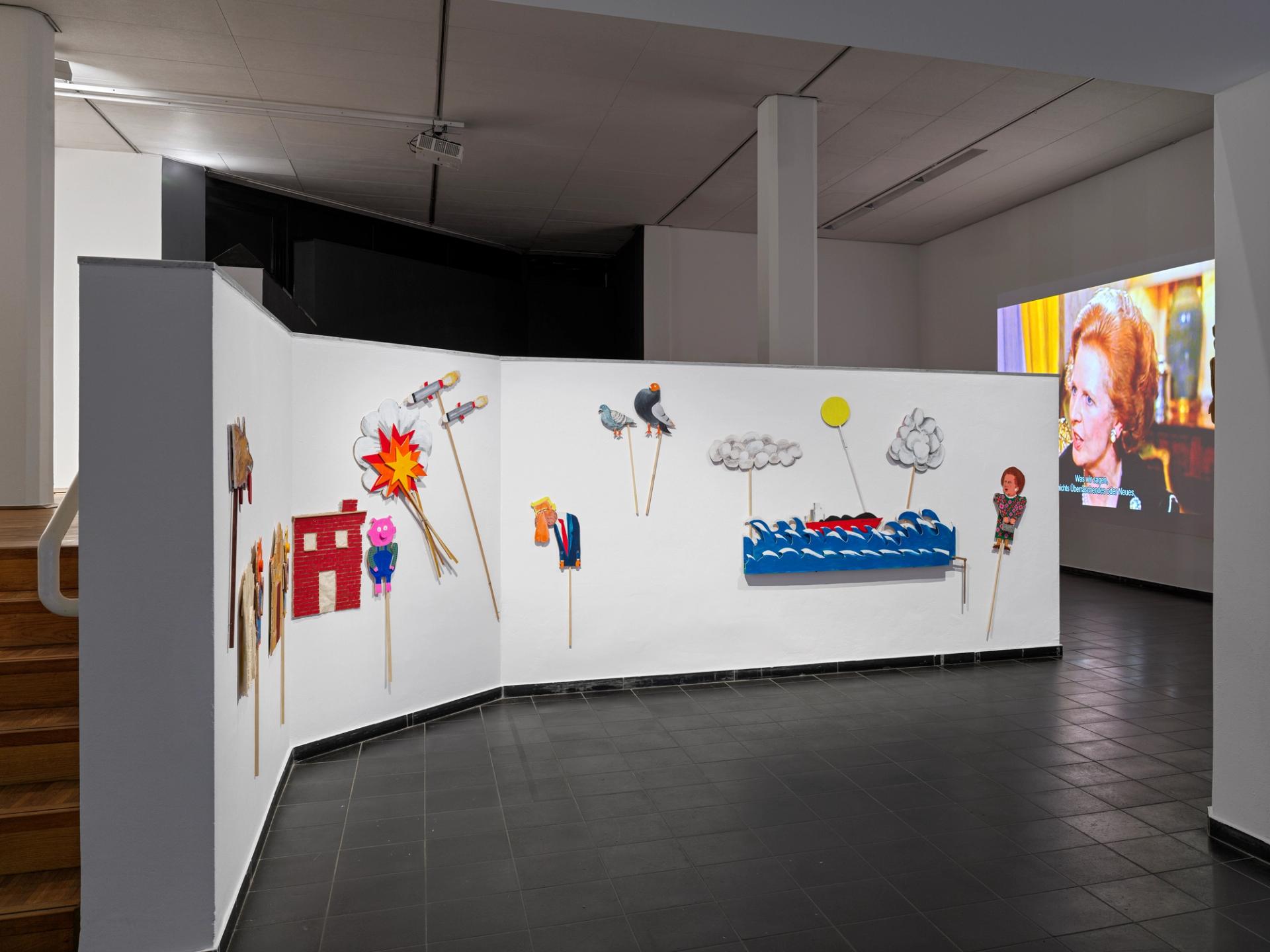
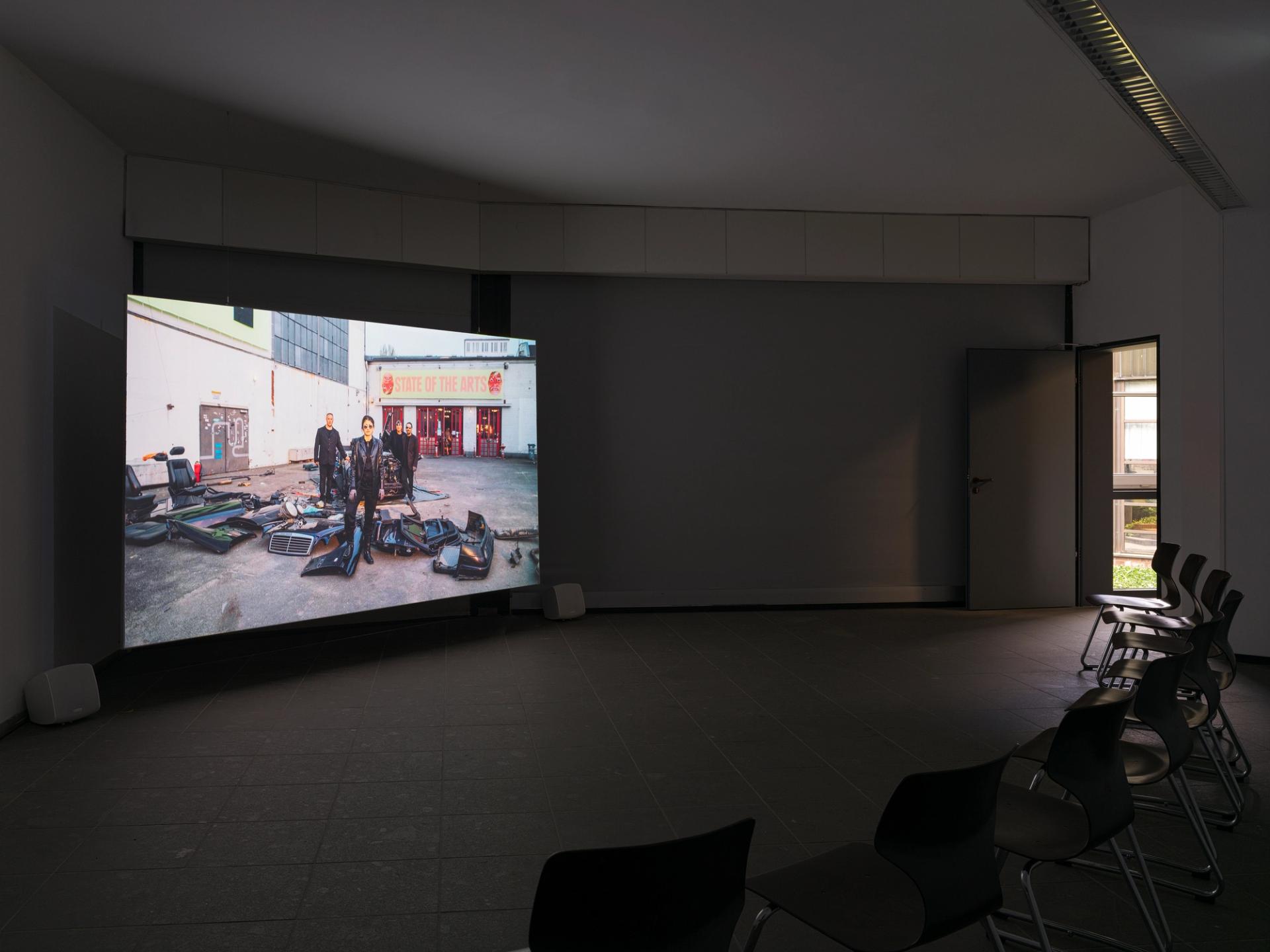
The international group exhibition Radical Hope examines how artists from modernity to the present day have approached the theme of worker resistance – documentarily, poetically, critically, radically, in solidarity and from personal experience. In the early twentieth century, art brought working-class struggle against social injustice into focus. From the 1960s, labour struggles influenced artistic practice when artists themselves went on strike.
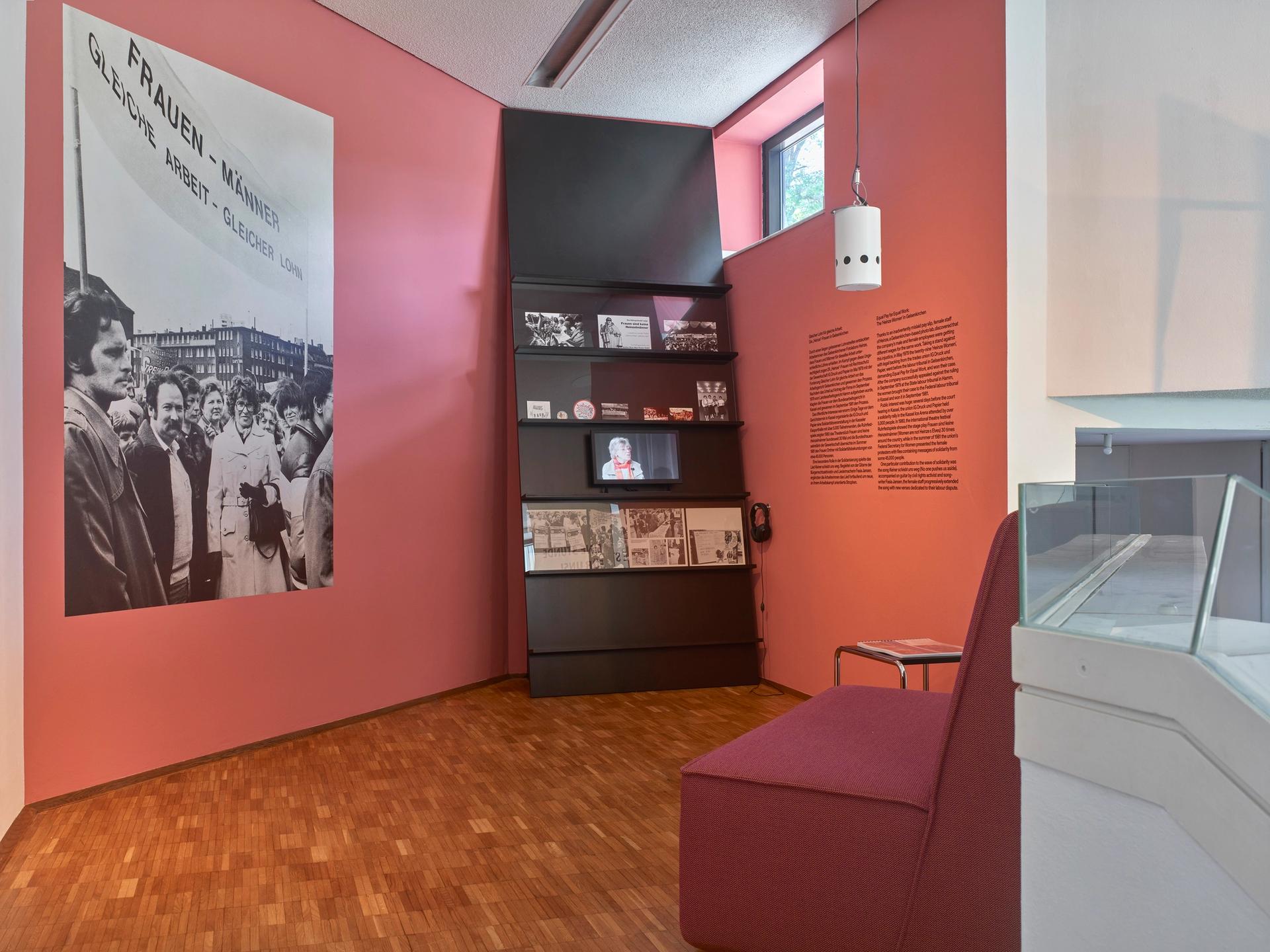
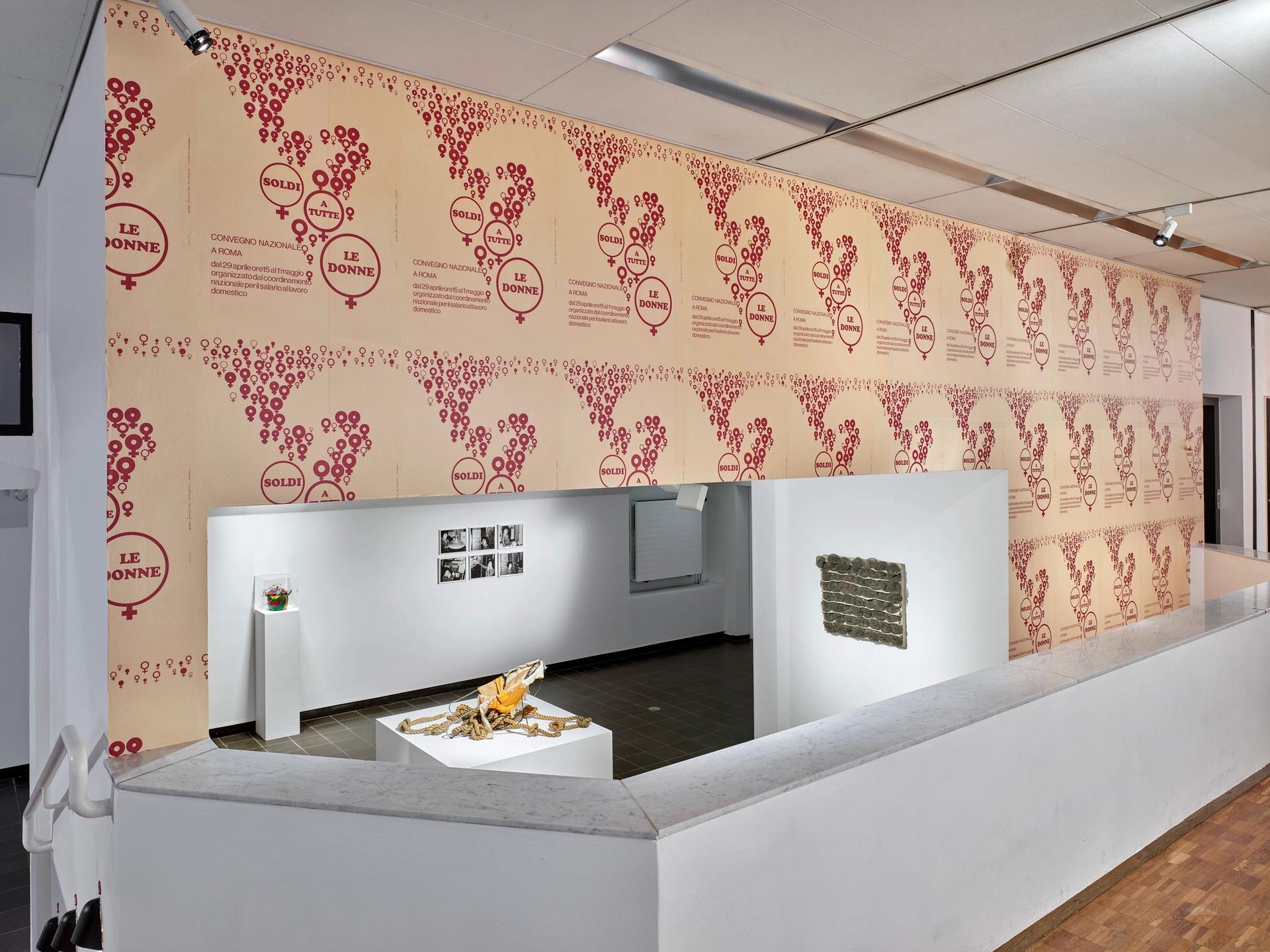
And beyond the realm of art, resistance against working conditions has, to the present, generated impressive images and practices that move in step with global developments. Gelsenkirchen is also home to a feminist chapter in the history of worker resistance. In the early 1980s, female workers fought for equal pay, thereby becoming part of a European movement which also included the campaign ‘Wages for Housework’ initiated by feminist artists in Italy. Both positions feature in the exhibition, which highlights various artistic perspectives and practices within the labour movement and at the same time looks at the manifold overlaps between different aesthetics of protest in art and everyday life.
Programme of events
Opening:
June 12, 2026, 7pm
Sing Our Songs! – a project as part of Manifesta 16 +
July 4 & 9, 2026, both at 7 pm
Place: former church of St. Mariä Himmelfahrt, Goldbergstraße 11, 45894 Gelsenkirchen
Free tickets available at Kunstmuseum Gelsenkirchen and Musiktheater im Revier
Singing has always been a key aspect of worker resistance. In collaboration with Musiktheater im Revier and the Catholic church of St. Urbanus, we invite you to join us in a live act of solidarity as we sing a selection of historical songs. The chosen repertoire will include songs rooted in local history as well as international ones.
Traces of Worker Resistance in the Multilingual Literature of the Ruhr Region
September 23, 2026, 6 pm
Historically, the Ruhr region has been marked by the migration of labour, however, literary accounts of these migration stories have often gone unnoticed. Nesrin Tanç’s lecture (RUB, College UA Ruhr) explores traces of worker resistance in the multilingual literature of the Ruhr region and invites us to discover them as part of the rich regional culture of remembrance.
Film Matinée in cooperation with Schauburg Filmpalast
October 4, 2026, 11 am
Schauburg Filmpalast, Horster Straße 6, 45897 Gelsenkirchen
The film We Want Sex (dir. Nigel Cole, 2010, 108 mins) uses British humour to tell the story of the seamstresses strike at the Ford plant in Dagenham. Led by Rita, they demand better working conditions and equal pay. Despite resistance from their bosses and their own families, the women show themselves to be courageous in their industrial action, a strike that would ultimately come to have historic significance in the campaign for gender equality.
1.15 pm: Reception in the foyer of Kunstmuseum Gelsenkirchen, followed by a brief introduction on the topic of women’s labour struggles in Dagenham and the Ruhr region, given by Anna Seidel (Fritz-Hüser Institute for Literature and Culture of the Working World, Dortmund).
2 pm: Tandem tour of the exhibition with Julia Höner & Friederike Sigler