Collection
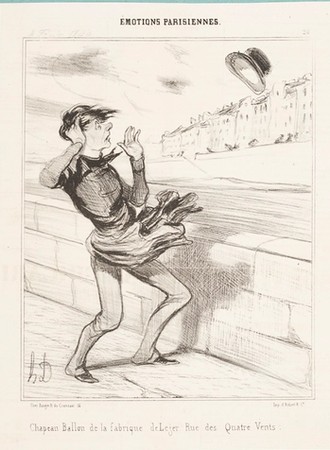
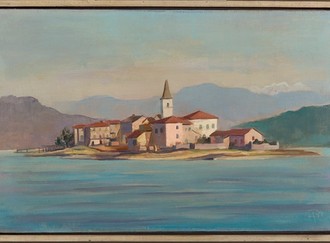
The collection of the Kunstmuseum Gelsenkirchen spans a period from the late nineteenth century to the present. The museum’s roots lie in the 1920s when the city first took measures to build an art collection – at that time without a dedicated building for its display. This municipal commitment to art grew from the city’s sense of identity as an industrial city that should create cultural opportunities and offer educational perspectives for all strata of the population.
As a systematic collecting policy got underway in the 1950s, the collection set its sights on purchasing representative works to testify to developments in the art of modernity. From the 1960s onwards, with prices for modernist artists rising, the museum began to supplement its collection with works showing various aspects of contemporary art too. In retrospect this proved to be a stroke of good luck as it enabled the museum to thematically consolidate its focus around kinetic art. Besides established artists, the collection has also constantly sought to acquire lesser-known positions. Thanks to this approach, it is still possible in Gelsenkirchen today to pursue an in-depth study of the various parallel developments in the development of twentieth-century art history.
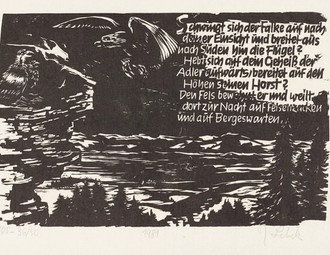
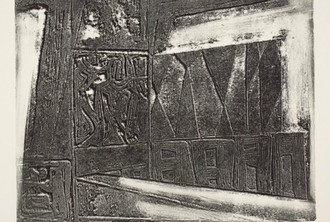
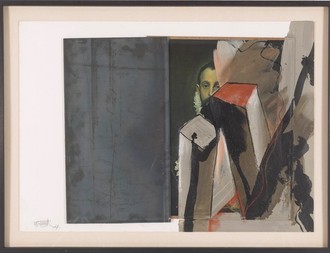
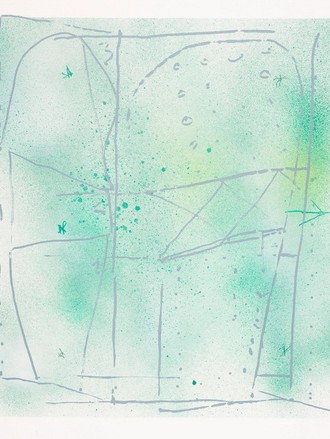
Apart from its holdings in painting, sculpture, prints and drawings of Impressionism and Classical Modernism, the museum also houses the largest collection of kinetic art in Germany. A further thematic focus lies in its collection of Constructive and Concrete art from the entourage of Gelsenkirchen artist Anton Stankowski. Through purchases, donations and endowments, the collection of the Kunstmuseum Gelsenkirchen continues to expand.






Please translate: en-GB Erstellen Sie Ihre eigene Sammlung
Please translate: en-G
Werden Sie selbst zum Kunst-Kurator, indem Sie online durch unsere Sammlung stöbern und Kunstwerke zu Ihren eigenen Kollektion hinzufügen. Danach können Sie diese mit der Kunst-Community teilen und sich darüber austauschen.